
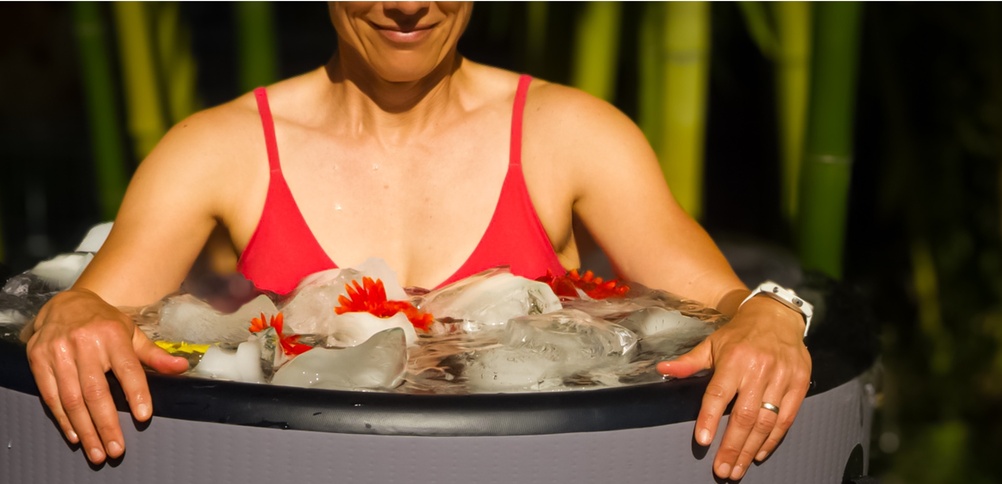
Somewhere between “biohacker in a wetsuit” and “your neighbor’s new midlife crisis,” the cold plunge became the wellness world’s favorite flex. Ice baths, chest freezers full of glacier water, plunge tanks that cost more than a used car — it’s everywhere. But before you drop three figures on a metal tub and a grimace, let’s talk about what the science actually says about cold plunge benefits, and what’s just cold, hard hype.
What Even is a Cold Plunge?
A cold plunge is exactly what it sounds like: submerging your body (usually up to the neck) in water somewhere between 39°F and 59°F for anywhere from 30 seconds to a few minutes. No cannonballs, no chatting — just you, the cold, and your own regret for the first 20 seconds.
It’s a modern rebrand of a very old idea. Ancient Greeks, Romans, and Scandinavians were all dunking themselves in frigid water long before it had a hashtag. What’s new is the science trying to catch up to the trend.
The Real Cold Plunge Benefits, According to Research
Here’s where we separate the legit from the TikTok legend.
- Reduced inflammation and muscle soreness. A Cochrane systematic review found real, if modest, evidence that cold-water immersion reduces delayed-onset muscle soreness after exercise compared with doing nothing at all, which is why athletes have used ice baths for decades.
- A genuine mood boost. A now-classic physiology study published in the European Journal of Applied Physiology found that one hour in 57°F water spiked plasma dopamine by roughly 250% and norepinephrine by over 500%, which helps explain why plungers report feeling weirdly euphoric afterward. If you’re chasing that same brain chemistry through food instead of frostbite, you might enjoy pairing your routine with a few dopamine-boosting snacks.
- Lower stress and better sleep quality. A 2025 systematic review and meta-analysis in PLOS ONE covering more than 3,000 participants found that cold-water immersion lowered stress for roughly 12 hours post-exposure and improved sleep quality and overall quality of life.
- A short-term metabolic bump. A randomized trial on repeated cold exposure showed that regular cold exposure can raise metabolic rate and brown adipose tissue volume, the fat that burns calories to generate heat. It’s not a weight-loss shortcut, but it’s a real, measurable effect.
- Better sleep, for some people. The post-plunge crash in body temperature can mimic the natural temperature dip your body needs to fall asleep, especially when the timing lines up with your body’s internal clock.
That’s a solid list of cold plunge benefits — but notice what’s missing: cured anxiety, detoxified organs, or a six-pack by Friday. The research is real, but it’s also modest and mostly short-term. This isn’t a miracle. It’s a well-documented stress response with some legitimately useful side effects.
Where the Hype Outruns the Evidence
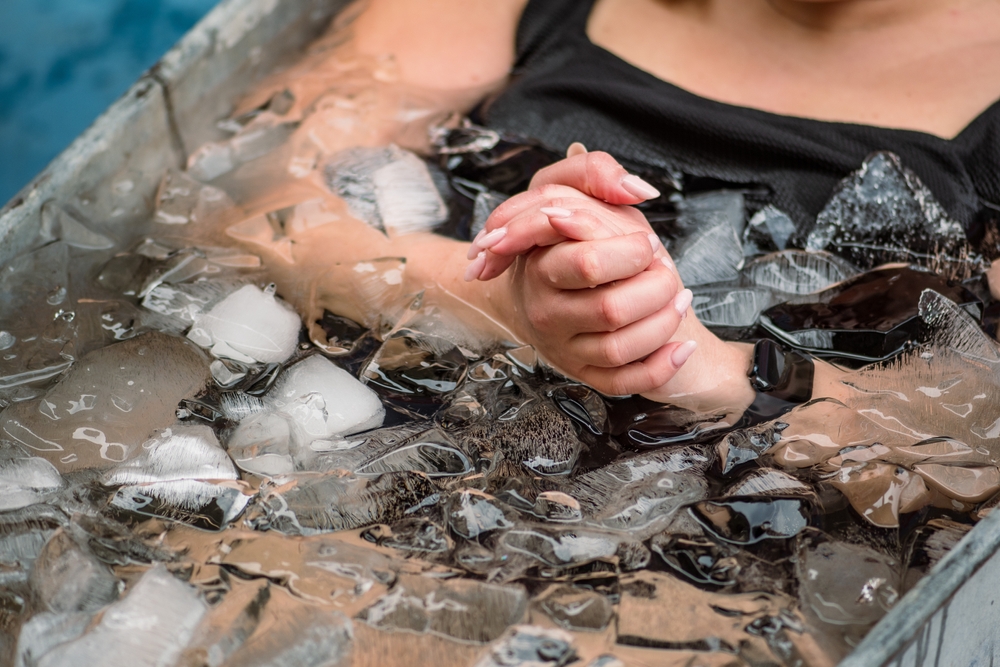
A lot of what gets claimed about cold plunge benefits online simply hasn’t been proven at scale. “Boosts immunity,” “flushes toxins,” “reverses aging” — these are marketing lines, not peer-reviewed conclusions. Your liver and kidneys already handle detox duty just fine without a $6,000 tub’s help.
There’s also a nuance the influencers skip: cold plunging right after strength training can actually blunt muscle growth by interfering with the inflammation your body needs to build new tissue. If you’re plunging for recovery, timing matters more than intensity.
Who Should Think Twice
Cold plunges aren’t universally safe. People with heart conditions, uncontrolled high blood pressure, or Raynaud’s syndrome should talk to a doctor first — cold shock can spike heart rate and blood pressure fast. Pregnant people and those with poor circulation should also proceed with caution. This is one of those cases where “everyone’s doing it” isn’t the same as “everyone should.”
How to Actually Try It (Without Losing a Toe)
If you’ve decided the cold plunge benefits are worth chasing, ease in — literally.
- Start with cold showers for a week before you try full immersion.
- Keep your first plunges short: 30 to 90 seconds is plenty for a beginner.
- Breathe slowly and deliberately; panic breathing is the enemy here.
- Warm up naturally afterward instead of jumping into a hot shower immediately — let your body do the work.
- Build consistency, not intensity. Three short sessions a week beats one heroic ten-minute soak.
Think of it less like a hardcore fitness stunt and more like a tiny, repeatable healthy habit that’s actually easy to stick to, since it takes five minutes and no gym membership.
So… Do They Actually Work?
Yes — with an asterisk. The research on cold plunge benefits supports real, measurable effects on mood, soreness, and stress resilience. What it doesn’t support is the idea that a cold tub replaces sleep, nutrition, movement, or your actual doctor. Cold plunges work best as one tool in a broader routine, not a standalone fix — the same way supporting your hormones naturally tends to outperform any single “hack” on its own.
If the idea of icy water still makes you recoil, that’s a completely reasonable response. You don’t need to suffer to be well. But if you’re curious, disciplined about safety, and ready to feel genuinely, chemically better for the rest of your day, the tub might be worth the shiver.
The Bottom Line
Cold plunges aren’t pseudoscience, and they aren’t magic. They’re a legitimate wellness tool with real, research-backed cold plunge benefits — better mood, less soreness, more stress resilience — wrapped in a lot of internet exaggeration. Approach it the way you’d approach any new habit: start small, stay consistent, and let the data (and your own goosebumps) tell you if it’s worth keeping around.









Leave A Comment