
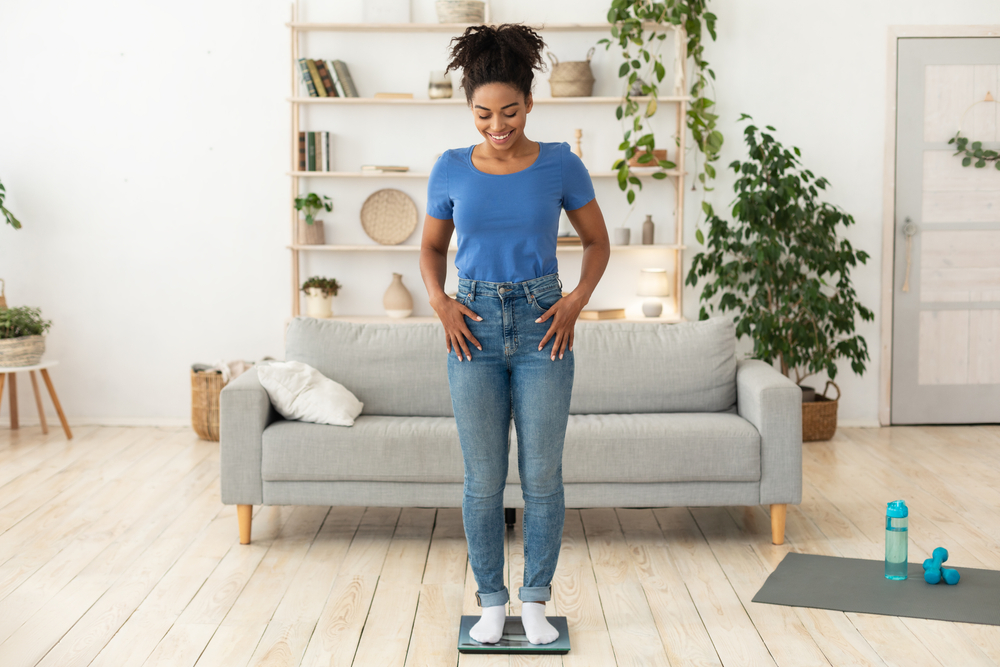
You did the thing. The scale finally cooperated, your jeans have room to spare, and you caught your reflection looking… different. Not bad, necessarily. Just different. Maybe a little looser around the middle. Maybe your face looks like it aged five years in five months.
Welcome to one of the least-talked-about plot twists of getting smaller: weight loss skin changes. Nobody puts this on the inspiration board next to the “after” photos, but it’s real, it’s common, and it’s not a sign you did something wrong.
Let’s break down what’s actually going on.
Your Skin is Basically a Stretched-Out Sweater
Think of skin like a wool sweater that’s been stretched over a couch cushion for years. Pull the cushion out fast, and the sweater doesn’t just snap back into its original shape. It sags a bit. It remembers.
Skin works similarly, thanks to two proteins doing the heavy lifting: collagen and elastin. They’re what give skin its bounce-back factor. When you carry extra weight for a long stretch, skin expands to accommodate it. Lose that weight — especially quickly — and the skin is left with more real estate than it needs.
This is the root cause behind most weight loss skin changes, whether we’re talking about the stomach, the upper arms, the thighs, or the face.
The Usual Suspects Behind the Mirror Surprise
Not every change looks the same. Here’s what tends to show up, cosmetically speaking:
- Looser skin on the abdomen, arms, and inner thighs — areas that stretch the most with weight gain
- A “deflated” look in the face, especially the cheeks and under-eye area, since facial fat pads shrink too
- Textural changes, like fine lines or a crepey feel, particularly if the skin lost hydration along with the fat
- Dullness, since rapid changes in diet can (temporarily) affect how radiant skin looks
- Stretch marks becoming more visible once the skin they were stretched across has less volume underneath
None of these are medical problems. They’re realities of a body that changed size faster than its largest organ could keep up with — and yes, they all fall under the same umbrella of weight loss skin changes that so many people quietly Google at 1 a.m.
Why Some People “Bounce Back” and Others Don’t

Here’s the part that feels unfair: two people can lose the exact same amount of weight and end up with completely different skin outcomes. A few factors are doing the deciding:
Age. Collagen production slows down over time, so skin in your 20s tends to be springier than skin in your 50s.
Genetics. Some people’s elastin is just built more resilient. Thanks, ancestors.
How fast the weight came off. Gradual loss tends to give skin more time to adapt. Dramatic, rapid loss — the kind you’d get from major dietary overhauls or medical interventions — often leaves skin less time to catch up.
Sun exposure over the years. UV damage breaks down collagen long before weight loss ever enters the picture, so sun-worn skin often has less elasticity to work with from the start.
Hydration and nutrition. Skin that’s been well-fed and well-hydrated throughout the process generally has more to work with than skin that’s been running on fumes.
If you’ve been experimenting with how you eat during this process, it’s worth knowing that meal timing can influence more than just your waistline — the same circadian eating patterns that affect fat loss also play into how consistently your body gets the nutrients skin needs to stay resilient.
What Actually Helps With Weight Loss Skin Changes
Nobody can promise your skin will snap back like nothing happened — genetics gets a vote here too — but there’s plenty you can do to support your skin’s appearance along the way.
- Build muscle, not just deficit. Adding lean muscle mass can help fill out looser skin from underneath, which is part of why strength training gets recommended so often during body composition changes. Cardio matters too, but don’t assume more steps automatically means better results — walking alone might not be doing everything you think it is when it comes to preserving muscle tone.
- Hydrate skin from both directions. Drinking enough water helps, but topical hydration matters just as much. Look for moisturizers with ingredients like hyaluronic acid, ceramides, or peptides, which support skin’s surface texture and plumpness.
- Feed your skin, not just your deficit. Adequate protein, vitamin C, and healthy fats all play supporting roles in collagen production. If your eating plan has felt more like punishment than fuel, it might be worth revisiting — sustainable diet shifts tend to serve skin better than crash approaches that yo-yo your weight (and your skin) up and down.
- Consider the right skincare. Topical retinoids, complexion-firming creams, and body-specific products won’t reverse significant looseness, but they can visibly improve texture and tone. If you’re curious what an intentional routine can realistically do, this deep-dive into a 40+ skincare overhaul is a good place to see real-world expectations rather than marketing promises.
- Be patient — skin is slow. Collagen remodeling takes months, not days. Give your skin a full year post-weight-loss before deciding what your “new normal” texture actually looks like.
When Skin Doesn’t Cooperate No Matter What You Try
For some people — especially after very large amounts of weight loss — skin simply won’t retract on its own, no matter how much muscle they build or how consistent their skincare routine is. That’s not a failure of effort. It’s just biology reaching its limit.
In those cases, people often explore options with a board-certified dermatologist or plastic surgeon, ranging from non-invasive skin-tightening treatments to surgical procedures. This is a personal, cosmetic decision — not a requirement — and it’s worth a real consultation rather than a late-night internet rabbit hole about weight loss skin changes and whether they’re “fixable.”
The Bottom Line on Weight Loss & Skin Changes
Weight loss skin changes are one of the most normal, least-discussed parts of transforming your body. Your skin isn’t betraying you — it’s just doing its best to keep up with a body that moved faster than biology intended. Give it support, give it time, and give yourself some credit for how far you’ve already come.







Leave A Comment