
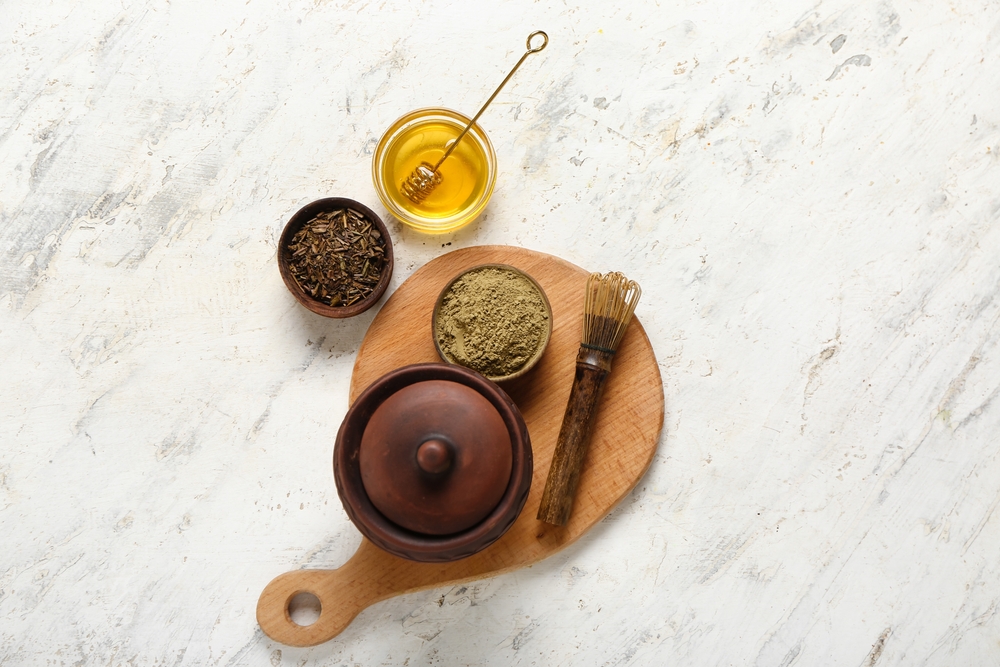
Your matcha habit has been good to you. It has also been pricey, a little jittery, and oddly dependent on whisk technique. Enter hojicha: a roasted green tea that tastes like toasted caramel and asks for nothing but hot water and a few quiet minutes.
Ready for the deep dive into matcha vs hojicha? Here’s why hojicha is taking over cafés in 2026, and exactly how to build it into your mornings without buying a single bamboo gadget.
Why Everyone is Suddenly Talking About Hojicha Instead of Matcha
Hojicha is Japanese green tea roasted until the leaves turn reddish-brown. The roast creates a nutty, cocoa-adjacent flavor and dials caffeine way down.
The buzz is measurable. Social conversation about hojicha rose 109% between July 2024 and July 2026, according to Tastewise. Technomic’s Global Navigator program predicts it will be the next matcha.
Matcha, meanwhile, keeps getting pricier. Ceremonial grade starts around $30 an ounce, and supplies of the raw leaf are still tight. So the matcha vs hojicha question is now partly a budget question.
Matcha vs Hojicha: The Honest Breakdown
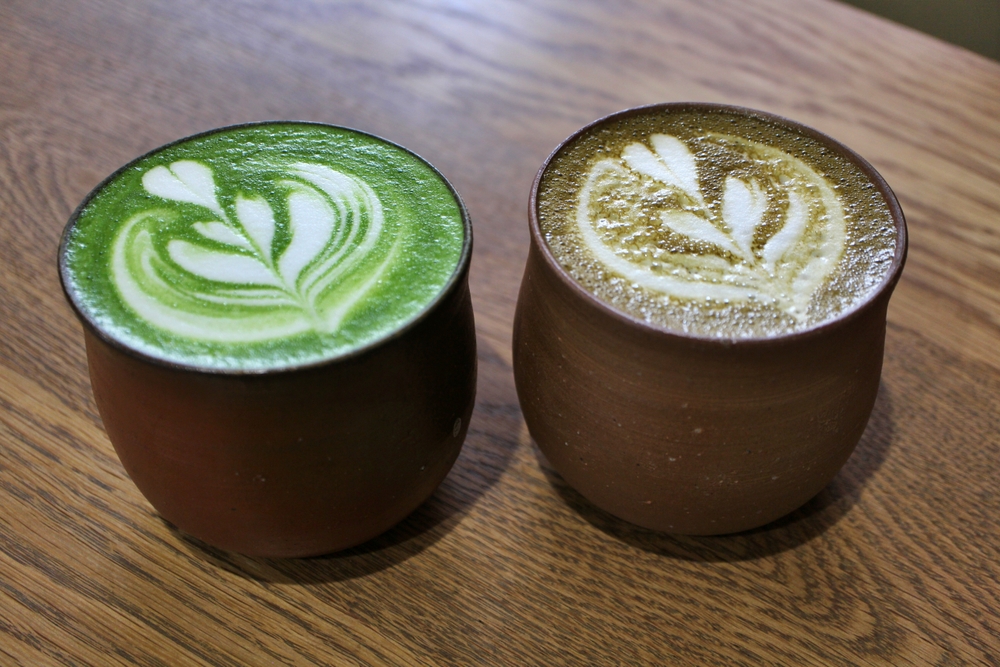
Here’s the side-by-side:
- Caffeine: Hojicha lands around 3 to 25 mg per cup. Matcha runs roughly 70 mg. Coffee sits near 100 mg.
- Antioxidants: Matcha wins, since you drink the whole shade-grown leaf. Hojicha keeps plenty, but roasting trims catechins and L-theanine.
- Flavor: Matcha is grassy and umami. Hojicha is toasty, mellow, and low on bitterness.
- Prep: Matcha wants a whisk and careful water. Hojicha forgives almost everything.
- Best for: Matcha for focus mode. Hojicha for calm mode.
Neither is “healthier.” They’re different tools.
Match the Tea to the Morning, Not the Trend
In the matcha vs hojicha debate, caffeine is the tiebreaker you’ll actually feel. Here’s the framework worth knowing:
- Deep-work deadline before 10 a.m.? Matcha.
- Already wired, or coffee came first? Hojicha.
- Sleep-sensitive? Matcha before noon, hojicha after.
- Want a gentle on-ramp? Try a latte with half a scoop of each.
Brewing matters too. Hotter water and longer steeps pull more caffeine into the cup, so stay near 90 seconds if you’re sensitive.
Think of it as the tea version of circadian eating: timing does more than willpower ever will.
Hojicha also makes a smart 3 p.m. swap. Pair it with one of these snacks that give you a dopamine boost and the afternoon slump loses its leverage.
Build a Five-Minute Hojicha Ritual (No Whisk Required)
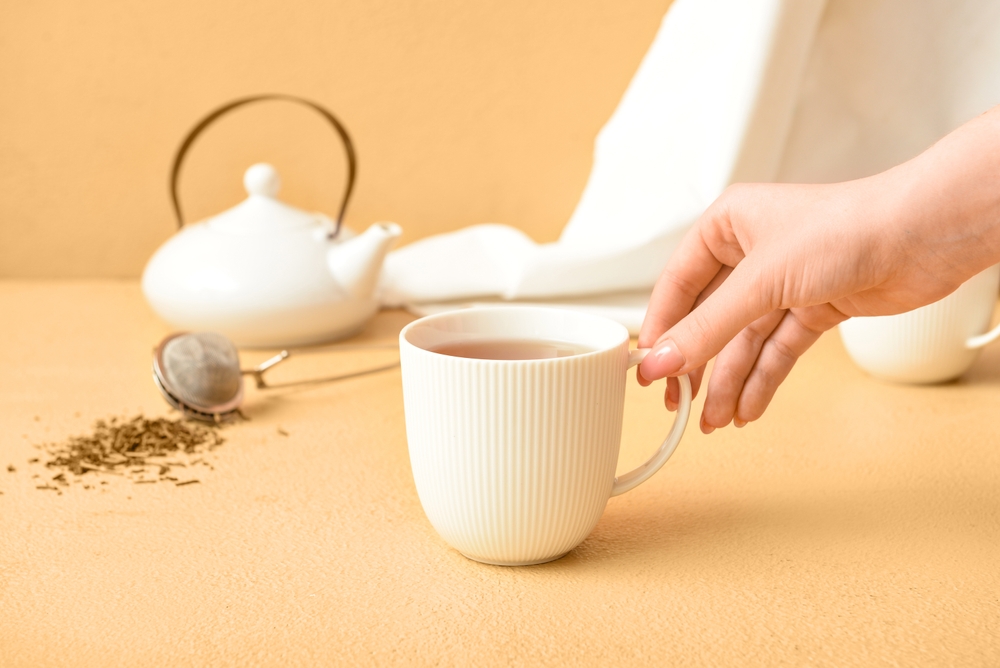
Mindful doesn’t have to mean complicated. Try this:
- Measure. Put about 2 teaspoons (roughly 4 g) of leaves in a cup or small teapot.
- Heat. Bring water to about 190°F. Roasting leaves fewer astringent catechins, so hojicha won’t turn bitter the way delicate green teas do.
- Steep. Pour 8 oz over the leaves and wait 1 to 2 minutes. Smell the dry leaves first, then take ten slow breaths.
- Sip. Finish the cup before opening email. Phone face down.
- Re-steep. A short second steep, about 30 seconds, gives you a lighter bonus cup.
Treat it as step one of a mindful beauty routine: warm cup, slow breath, zero screens. Habit stacking works because healthy habits are easier to stick to when they ride on something you already do. Kettle on, tea on.
The Three Mistakes That Make Hojicha Taste Flat
- Treating it like fragile sencha. Cool water leaves the roasted flavor behind. Hojicha likes it hot.
- Steeping for five minutes “to be safe.” You’ll get a heavier cup and more caffeine than you planned.
- Judging by color alone. Shade varies with the base leaf, harvest time, and roast, so brown doesn’t mean burnt.
The Café-Style Hojicha Latte at Home
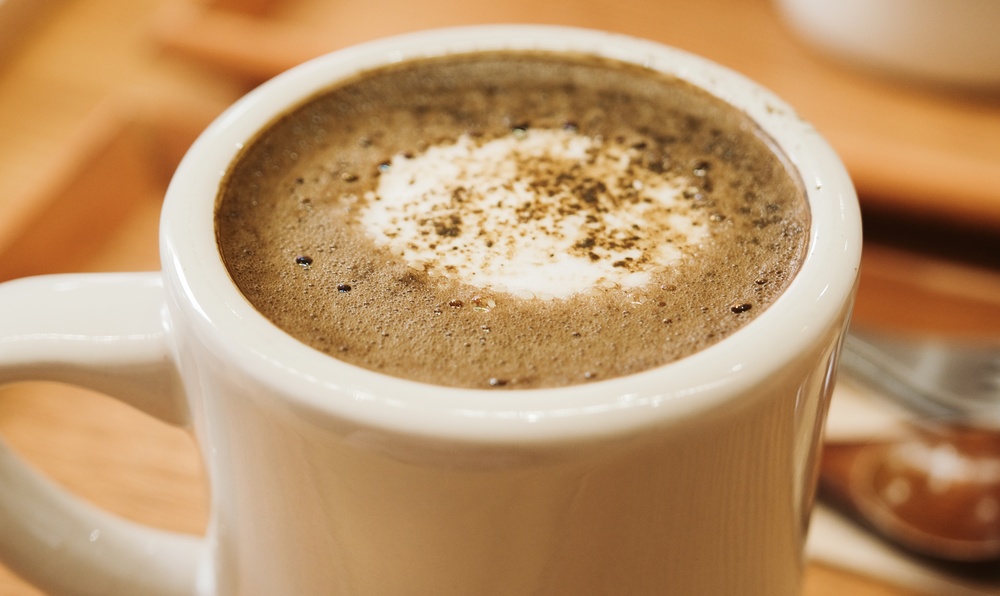
Hojicha lattes are what’s driving demand, and they’re easy to copy.
Whisk 1 teaspoon of hojicha powder with about 1.5 oz of hot water until smooth. Top with 6 oz of steamed or frothed milk, dairy or oat.
No frother? A jar with a tight lid and 20 seconds of shaking works fine.
Go easy on the syrup. The roast already tastes like caramel, so try a pinch of cinnamon or a drop of vanilla first. You’ll cut the sugar and probably never miss it.
Cold Brew Hojicha: The Make-Ahead Move
Rushed mornings call for prep the night before.
Add 10 g of leaves to 1 liter (about 4 cups) of cold filtered water. Refrigerate for 6 to 8 hours, strain, and pour over ice. It keeps for 2 to 3 days.
Weigh the leaves if you can. Depending on the variety, 10 g can range from 3 to 5½ tablespoons, so a cheap kitchen scale beats a spoon.
How to Buy Hojicha That’s Actually Good
The label tells you plenty:
- Look for origin. Listings that name a region and cultivar, like Shizuoka, Uji, or Mie, are a good sign.
- Know the base. Hojicha can be made from sencha, bancha, or kukicha (twigs), which changes color and flavor.
- Choose leaf or powder. Leaf is for steeping. Powder is for lattes, and since you drink the whole leaf, you get more of everything, caffeine included.
- Smell it. Toasty and sweet is right. Burnt or dusty isn’t. Buy small and seal it, because aroma fades.
- Skip the extras. Added flavors and sweeteners muddy the point.
Do the Matcha vs Hojicha Per-Cup Math Before You Buy
Price tags on tea tins mislead. Compare cost per cup instead.
One ounce of matcha makes roughly 14 servings, and ceremonial grade starts near $30 an ounce. That’s about $2 a cup before milk.
For hojicha leaf, divide the bag price by its weight in grams, then multiply by 4. That’s your cost per cup at the ritual dose above, and re-steeping lowers it further.
Let Hojicha Handle the Evening Shift
Because it’s gentle on caffeine, hojicha is the rare tea that works at night.
Try it as a post-dinner swap for the third coffee or the glass of wine you don’t actually want. Steep it for about a minute, keep the cup warm in both hands, and let that become the signal that the workday is over.
Same ritual, different job. That’s the real trick to mindful routines: one anchor, used twice.
What Hojicha Can’t Do (Yet)
Let’s keep it honest. There’s no strong evidence that hojicha helps with weight loss, digestion, or blood sugar, whatever your feed says.
Roasting also forms trace amounts of acrylamide, the same compound found in toast and coffee. Tea generally tests lower than coffee, but hojicha-specific data is thin, so think “a cup or two,” not “a gallon.”
And tea can blunt iron absorption, so if you’re watching your iron, drink it between meals instead of with them.
Your Next Step in the Matcha vs Hojicha Debate
Grab a small bag of loose-leaf hojicha this weekend and run the five-minute ritual for seven mornings. Notice your focus, your stomach, and your 3 p.m. mood.
Then settle your own matcha vs hojicha showdown. Odds are, both earn a spot in your rotation, just at different times of day.



Leave A Comment